From Recovery to Strategy: The Future of Debt Collections Across International Markets
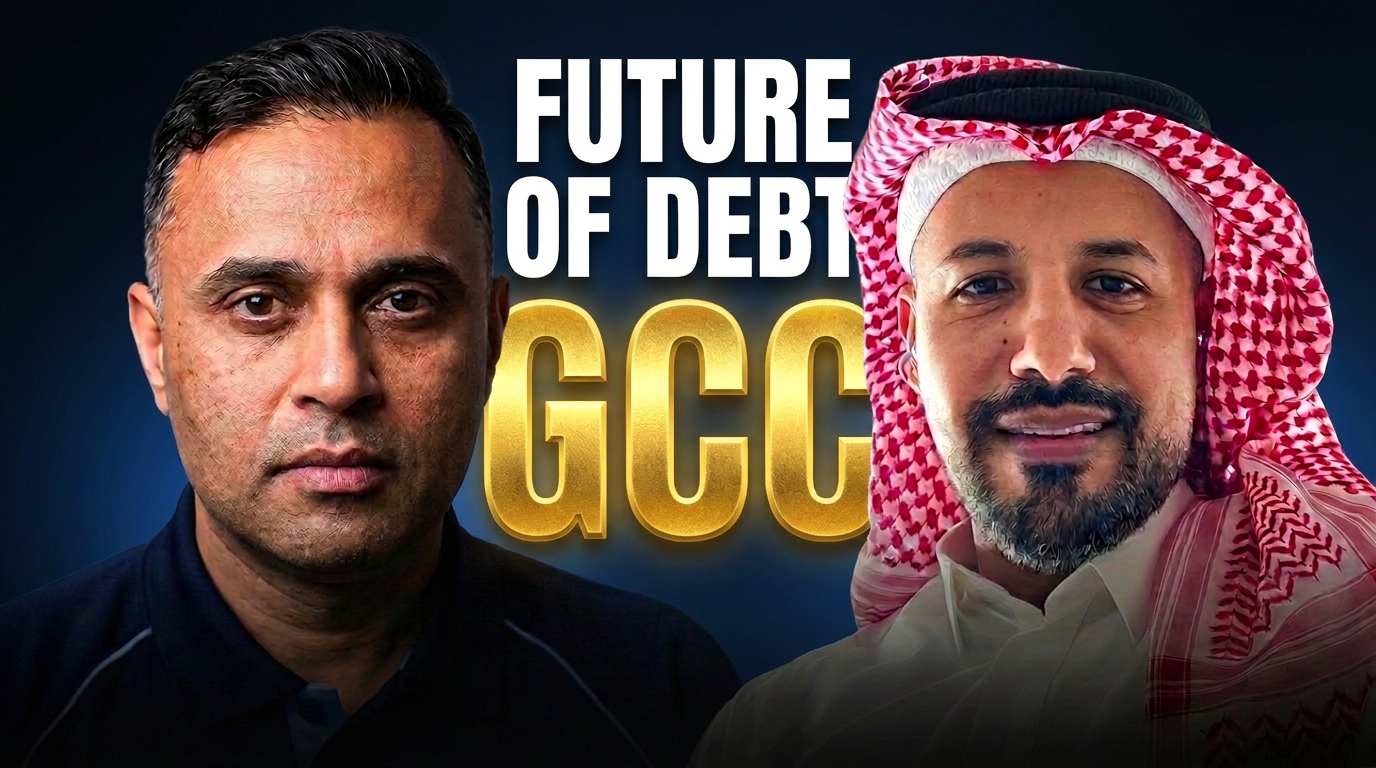
The Future of Collections:
AI, Customer Experience,
Regulation & Early Intervention
Wesam Al Ammari, Head of Collections (International Markets) at Al-Futtaim, on strategy, leadership, and why the best collection organisations begin their work before a customer ever becomes delinquent.
The debt collection industry is undergoing one of its most significant transformations in a generation. Digitisation and artificial intelligence are compressing timelines and reshaping workflows, while rising regulatory expectations and a sharper focus on customer experience are redefining what responsible collections looks like in practice.
Few professionals are better placed to map this evolution than Wesam Al Ammari. With over 20 years of experience spanning credit, legal, and collections across banking and international markets, he now leads Collections for International Markets at Al-Futtaim — one of the GCC region’s most prominent diversified businesses. In this exclusive interview for TalkinDebts.org, Wesam shares his strategic perspective on the future of collections, why AI must be adopted carefully, the critical differences between GCC markets, and the leadership principles that define success in the modern collections environment.
Collection doesn’t begin when our customer becomes delinquent — it begins the moment we identify someone who may be at risk.

About the Expert
Wesam Al Ammari
Head of Collections (International Markets) — Al-Futtaim
- 📍 GCC & International Markets
- 💼 20+ years in Collections, Recovery, Credit & Risk
- 🏦 Expertise across Banking, Financial Organisations & International Collections Strategy
- 🎯 Specialist in portfolio management, early intervention & cross-border collections
With 20 years of international experience, Wesam has led diverse teams and complex portfolios across multiple markets. He views collections as a strategic partnership that drives sustainable growth and operational excellence — not an isolated recovery function.
A Career Built Across Credit, Legal & Collections
You have an unusual combination of credit, legal, and collections experience. How has that shaped the way you approach collections today?
That cross-functional background has given me an end-to-end understanding of the credit lifecycle. When you have worked across credit origination, legal recovery, and collections, you see how each function influences the others — and how decisions made at origination can either protect or undermine collection outcomes years later.
It has shown me how collections influences financial performance, risk appetite, customer relationships, and even organisational culture. The legal dimension is particularly important: understanding enforcement mechanisms, jurisdictional differences, and the rights of both creditors and customers shapes how you design recovery strategies that are robust and compliant.
Today, I approach collections not as an isolated recovery function, but as a strategic contributor to the wider business. The best collections operations are those that are connected to credit policy, customer strategy, and regulatory governance — not separated from them.
Balancing Recovery Performance With Fair Customer Treatment
Collections is often portrayed as a numbers game. But ultimately you’re dealing with people who may be under significant financial pressure. How do you balance recovery performance with treating customers fairly?
Strong recovery performance and fair customer treatment are not competing objectives — and I think the framing that pits them against each other is one of the more damaging myths in the industry.
Both require the same foundation: a motivated, ethical, and well-governed team supported by clear policies, practical procedures, and appropriate incentives. When collectors understand both the commercial goal and the boundaries within which it must be achieved, they can deliver results without compromising customer relationships or fair outcomes.
What undermines both performance and customer treatment is ambiguity — unclear guidance, misaligned incentives, or a culture that implicitly tolerates pressure tactics. Collections leaders need to be explicit about what is acceptable, and they need to build that clarity into training, monitoring, and governance.
Strong recovery performance and fair customer treatment are not competing objectives. They require the same foundation: a motivated, ethical, and well-governed team.
Why Customers Actually Default: The Real Causes
After dealing with thousands of customers over your career, what have you learned about why people actually default?
Defaults ultimately occur when available cash flow is insufficient or poorly managed. But the underlying causes vary significantly between individual and business borrowers — and understanding that distinction shapes the entire recovery approach.
For individuals: default is usually linked to income disruption, excessive commitments, or weak financial planning. The customer may have had every intention of repaying but a change in circumstances — job loss, health event, relationship breakdown — made that impossible.
For businesses: declining revenue, rising costs, excessive leverage, poor working-capital management, or external economic shocks are typically the drivers. The financial outcome may look similar, but the resolution path is very different.
Understanding which of these applies shapes the entire collection and remediation strategy. A one-size-fits-all approach to default ignores the most important information you have.
International Markets: What GCC Collections Reveals
You’ve moved into international markets. What surprised you when you started looking at collections outside the UAE?
The regional markets are at different stages of regulatory evolution, requiring collections strategies to be locally informed and adapted to the respective regulatory frameworks, market practices and customer conduct.
Quick-Fire Round: Wesam’s Take on Collections
In a rapid-fire round, Wesam shared his direct preferences across the key debates shaping the industry today:
| Question | Wesam’s Answer |
|---|---|
| Collections or Credit? | Collections |
| Bank or BPO? | Bank |
| AI or Human Collections? | Human Collections |
| Prevention or Recovery? | Prevention |
| Early Intervention or Late-Stage Recovery? | Early Intervention |
| Biggest Collection Myth? | You have to raise your voice to convince the customer |
| Most Underrated Collection Skill? | Communication Etiquette |
| Technology You Couldn’t Run Collections Without? | AI and digital tools |
| Unwillingness or Inability to Pay? | It could be either |
The Future of Collections: AI, Prediction & Early Intervention
Looking ahead 3–5 years, what do you believe the future of collections and receivables management will look like, and what role will AI play?
Over the next three to five years, AI will automate much of the administrative and repetitive work — routine reporting, account prioritisation, standard communication workflows. This will give collectors and leaders significantly more capacity for judgment, negotiation, and complex decision-making.
But I do not see this simply as a story about job losses. What AI enables is a reallocation of human attention to the activities that genuinely require it. Remediation conversations, restructuring negotiations, cases involving vulnerability — these require empathy and judgment that AI cannot replicate reliably.
I also expect collections to become more deeply embedded across the business — similar to the integrated role it plays in commercial banking. Collections intelligence has strategic value beyond the recovery function. Organisations that recognise this will use it to inform credit policy, product design, and customer engagement strategies.
AI will give collections professionals more capacity for judgment and complex decision-making — not replace them, but reallocate their attention to where it matters most.
Video Interview Summary — Key Themes Covered
In the full video interview, Wesam Al Ammari covers the following themes in depth — watch on the TalkinDebts YouTube channel for the complete conversation:
- ‣ His 20-year journey from banking into collections, credit, legal, and international markets — and how cross-functional exposure shaped his strategic view of the function.
- ‣ Why strong recovery performance and fair customer treatment are not competing objectives, and how to build the team culture that delivers both.
- ‣ The root causes of customer default — from income disruption and over-commitment to poor working-capital management in business portfolios.
- ‣ What genuinely surprised him about collections outside the UAE, including how local regulations, market practices, and customer conduct vary far more than most leaders expect.
- ‣ How AI will reshape the collections workforce over the next 3–5 years — automating repetitive tasks and freeing professionals for judgment-driven, high-value work.
- ‣ His leadership philosophy: why collections leaders must work “shoulder by shoulder” with their teams, and why spreadsheets alone cannot capture ground-level reality.
- ‣ Why collections should begin before delinquency — and how proactive early intervention strategies change outcomes for both customers and organisations.
Key Takeaways
- ✔ Cross-functional experience across credit, legal, and collections creates leaders who see collections as a strategic function — not an isolated recovery operation.
- ✔ Strong recovery performance and fair customer treatment are not competing objectives — they require the same governance, clarity, and team culture.
- ✔ Default causes differ fundamentally between individuals and businesses; understanding the root cause defines the right resolution strategy.
- ✔ International collections cannot be managed with a single regional template — local regulations, market practices, and customer conduct demand locally-informed strategies.
- ✔ AI will automate repetitive tasks and enable better account prioritisation, but empathy, judgment, and negotiation will remain irreplaceable human skills.
- ✔ Leadership in collections requires being on the ground with teams — direct involvement reveals what dashboards and spreadsheets cannot.
- ✔ Collections should begin before delinquency — proactive early intervention, not reactive recovery, defines the future of the function.
Future Outlook
Wesam Al Ammari’s perspective presents a future in which collections becomes increasingly technology-enabled without losing its human dimension. AI can automate repetitive work. Digital tools can improve efficiency. Regulation can strengthen responsible practices. But customer experience, communication, judgment, and empathy will continue to matter.
The biggest shift may ultimately be from reactive recovery to proactive customer support. Rather than waiting for customers to become delinquent, forward-looking collection organisations can use data, technology, and early-intervention strategies to identify potential problems and engage customers sooner — creating better outcomes for both the customer and the organisation.
For the collections industry, the message is clear: the future is not simply about collecting more efficiently. It is about understanding customers earlier, using technology intelligently, protecting reputation, and building collections into a genuine strategic partner across the business.
The future of collections is proactive, digital, and human — and the organisations that recognise all three will lead the next decade.
Disclaimer: The views expressed in this interview are the personal professional views of Wesam Al Ammari and do not necessarily represent those of his employer.