Fintech Compliance in 2026: A Practical Guide for Lenders, SaaS Platforms & Collectors

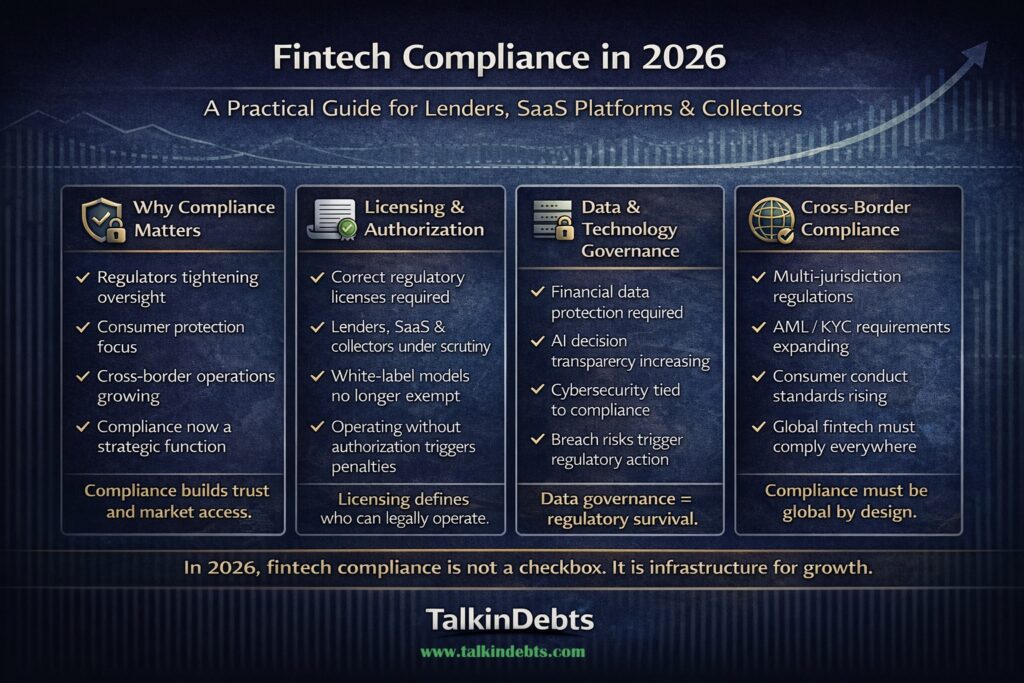
Fintech compliance in 2026 is no longer a background legal function—it has become a frontline business priority. As regulators tighten oversight, customers demand transparency, and platforms expand across borders, fintech regulatory compliance now determines whether a company can scale, partner with banks, or even continue operating.
From digital lenders and BNPL platforms to SaaS-based collection systems, fintech businesses are navigating a regulatory landscape that is more complex, more fragmented, and more aggressively enforced than ever before. This guide breaks down what fintech compliance really means in 2026, how regulations differ across regions, and what lenders, SaaS platforms, and debt collectors must do to stay compliant without slowing growth.
Why Fintech Compliance Matters More in 2026 Than Ever
The fintech sector has matured. What was once viewed as a disruptive alternative to traditional finance is now treated by regulators as systemically important infrastructure. Governments are no longer playing catch-up—they are actively shaping fintech regulatory compliance frameworks.
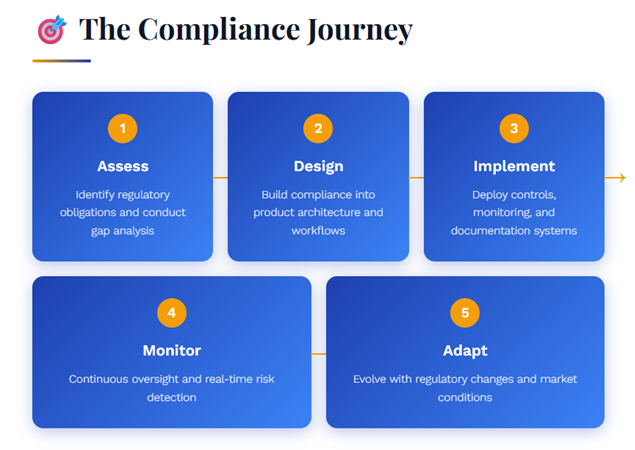
Three forces are driving this shift:
First, consumer harm is under the microscope. Rising household debt, aggressive digital lending, and automated collections have triggered stricter conduct rules. Regulators want proof that fintech platforms protect consumers, not exploit them.
Second, data has become the new liability. Fintech firms process enormous volumes of sensitive financial and behavioral data. Data breaches, misuse of AI, and opaque decision-making have made compliance inseparable from cybersecurity and data governance.
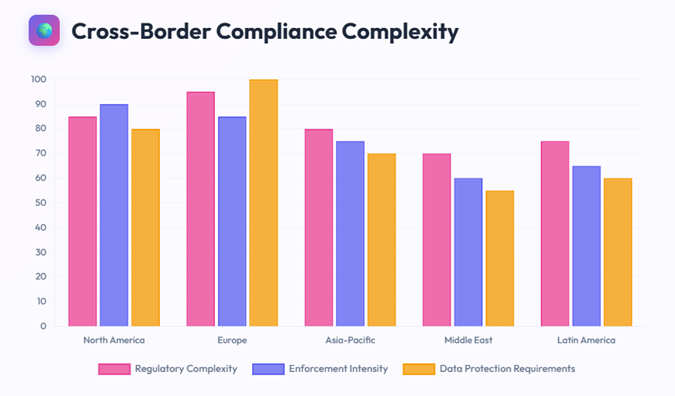
Third, cross-border operations are the norm. A fintech lender may be incorporated in one country, host data in another, and serve customers globally. This creates overlapping compliance obligations that cannot be handled casually.
In 2026, fintech compliance is no longer about “checking boxes.” It is about building trust, ensuring longevity, and preserving market access.
Core Pillars of Fintech Regulatory Compliance
While specific laws differ by jurisdiction, fintech regulatory compliance in 2026 rests on five universal pillars.
Licensing and Authorization
Operating without the correct license is one of the fastest ways to trigger enforcement action. Regulators are increasingly scrutinizing whether fintech companies are acting as lenders, payment institutions, credit intermediaries, or debt collectors—regardless of how they brand themselves.
Many SaaS platforms now fall under “regulated activity” if they influence credit decisions, automate collections, or handle consumer funds. White-label models no longer shield platforms from compliance responsibility.
Consumer Protection and Fair Conduct
Fintech compliance now focuses heavily on outcomes, not intent. Regulators examine whether products lead to consumer harm, excessive debt, or misleading disclosures.
This affects:
- Interest rate transparency
- BNPL repayment structures
- Automated late-fee systems
- Digital collections messaging
- AI-driven credit scoring models
If a system consistently disadvantages vulnerable consumers, regulators consider that a compliance failure—even if the software technically follows the rules.
Data Protection and Privacy
Data protection is no longer a legal afterthought—it is central to fintech regulatory compliance. In 2026, regulators expect fintech companies to demonstrate:
- Explicit consent mechanisms
- Purpose-based data usage
- Secure storage and encryption
- Controlled data sharing with third parties
- Clear data retention and deletion policies
Non-compliance with data laws now triggers fines that can exceed traditional financial penalties.
AML, KYC, and Financial Crime Controls
Anti-money laundering and customer verification requirements continue to expand. Regulators expect fintech firms to deploy risk-based, technology-driven AML frameworks, not manual checks.
This includes:
- Real-time transaction monitoring
- Sanctions screening
- Ongoing customer due diligence
- Audit-ready reporting systems
SaaS providers that support onboarding or payments are increasingly required to embed these controls directly into their platforms.
Governance, Accountability, and Auditability
Fintech compliance in 2026 is inseparable from governance. Regulators want to know:
- Who is accountable for compliance decisions
- How risks are escalated internally
- Whether systems can be audited end-to-end
- How third-party vendors are monitored
“Founder-led compliance” without documented processes is no longer acceptable.
Fintech Compliance for Digital Lenders
Digital lenders face some of the most intense regulatory scrutiny in 2026. Rising interest rates, economic pressure, and consumer debt levels have made regulators deeply cautious.
Key compliance expectations for lenders include transparent pricing models, responsible lending assessments, and strict limits on automated decision-making without human oversight. AI-driven underwriting must be explainable, fair, and free from discriminatory bias.
Regulators also expect lenders to monitor downstream behavior. If collections are outsourced or automated through SaaS tools, the lender remains accountable for compliance breaches.
In short, fintech compliance for lenders extends far beyond loan origination—it covers the entire credit lifecycle.
Fintech Regulatory Compliance for SaaS Platforms
SaaS platforms serving lenders, collectors, and financial institutions are no longer “neutral technology providers” in the eyes of regulators.
In 2026, fintech regulatory compliance increasingly treats SaaS vendors as regulated service enablers. If your platform:
- Automates payment processing
- Hosts consumer financial data
- Triggers collections workflows
- Influences credit or recovery decisions
You may be subject to direct regulatory obligations.
Compliance-ready SaaS platforms now embed:
- Configurable regulatory rules by jurisdiction
- Full audit trails
- Role-based access controls
- Consent and disclosure management
- Incident response frameworks
Buyers increasingly demand compliance certifications before onboarding a fintech SaaS provider, making regulatory readiness a commercial advantage.
Compliance Challenges for Fintech Debt Collectors
Debt collection has become one of the most regulated fintech-adjacent activities. In 2026, digital collection platforms face strict scrutiny around consumer communication, harassment prevention, and data accuracy.
Regulators are focusing on:
- Frequency and tone of automated messages
- Use of AI or bots in debtor interactions
- Transparency around debt ownership
- Dispute handling and validation processes
- Cross-border collections compliance
Fintech compliance failures in collections often result in reputational damage, platform bans, and loss of banking partnerships.
For collectors using fintech tools, compliance is no longer optional—it is existential.
Global Regulatory Trends Shaping Fintech Compliance
Several global trends define fintech regulatory compliance in 2026.
Regulators are moving from reactive enforcement to proactive supervision, using data feeds, platform audits, and algorithm reviews. Sandboxes are giving way to permanent compliance obligations.
There is also growing convergence between financial regulation and tech regulation. AI governance, cybersecurity standards, and operational resilience laws are now directly applied to fintech firms.
Finally, regulators are collaborating across borders. A compliance failure in one jurisdiction can now trigger investigations elsewhere, especially for platforms operating internationally.
How to Build a Compliance-Ready Fintech in 2026
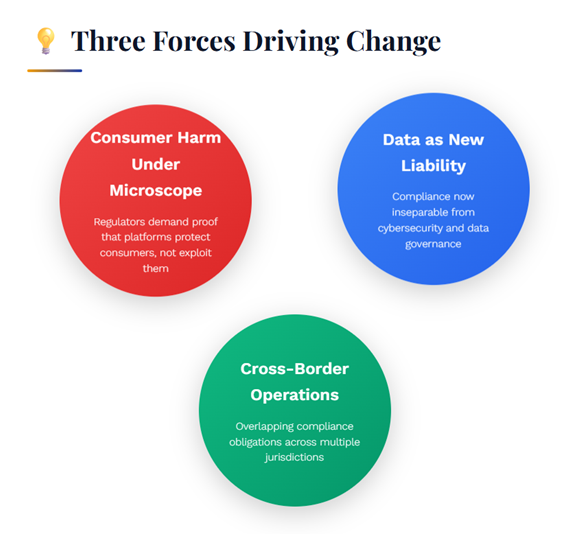
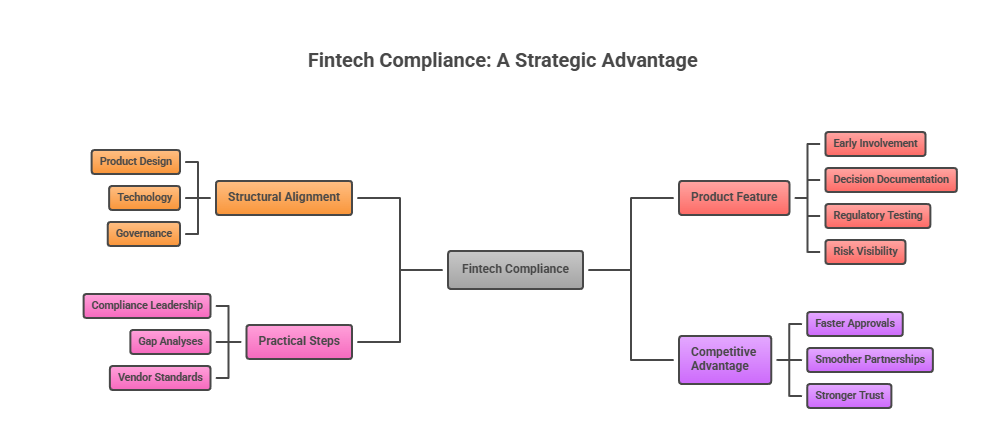
Strong fintech compliance is not built through last-minute legal fixes. It requires structural alignment between product design, technology, and governance.
Successful fintech firms in 2026 treat compliance as a product feature. They involve compliance teams early in development, document decisions, test regulatory scenarios, and maintain real-time visibility into risk.
Practical steps include appointing accountable compliance leadership, conducting jurisdiction-specific gap analyses, and ensuring third-party vendors meet the same standards as internal teams.
Automation helps—but only when paired with human oversight and documented controls.
Fintech Compliance as a Competitive Advantage
In 2026, fintech regulatory compliance is no longer a cost center—it is a growth enabler. Banks, investors, and enterprise clients increasingly choose partners based on compliance maturity.
Well-governed fintech platforms enjoy faster approvals, smoother partnerships, and stronger brand trust. Those that treat compliance as an afterthought face enforcement actions, customer attrition, and stalled expansion.
The fintech firms that win in 2026 will be those that understand a simple truth: compliance is not the opposite of innovation—it is what makes sustainable innovation possible.